
Alkaline batteries have been powering our lives for decades — from TV remotes and toys to flashlights and digital cameras. They remain one of the most reliable, affordable, and accessible energy storage solutions worldwide. As technology advances and sustainability becomes a global priority, the alkaline battery market is poised for renewed growth and innovation.
According to recent data, the global alkaline battery market was valued at USD 7.92 billion in 2024. Over the forecast period of 2025–2034, the market is expected to expand at a compound annual growth rate (CAGR) of 4.80%, reaching an estimated USD 12.66 billion by 2034. This growth reflects the continued demand for efficient, safe, and environmentally conscious battery technologies across consumer and industrial sectors.
Understanding the Alkaline Battery Market
Alkaline batteries are a type of zinc–manganese dioxide (Zn/MnO₂) battery, recognized for their high energy density, long shelf life, and low cost. They are the most widely used primary (non-rechargeable) batteries globally, powering billions of consumer devices.
Unlike rechargeable lithium-ion or nickel-cadmium batteries, alkaline batteries provide a steady and reliable voltage output ideal for low- to medium-drain applications such as remote controls, clocks, and flashlights. However, advancements in technology are also driving the development of secondary (rechargeable) alkaline batteries — offering eco-friendly alternatives that extend product life and reduce waste.
Market Segmentation Analysis
1. By Type
Primary Alkaline Batteries:
This segment dominates the global market, accounting for the majority of sales. Non-rechargeable alkaline batteries are widely used due to their affordability, long shelf life, and universal compatibility with electronic devices. Their convenience and accessibility make them a go-to option for households and commercial users alike.Secondary Alkaline Batteries:
Although a smaller segment, secondary (rechargeable) alkaline batteries are gaining attention. They align with global sustainability goals and appeal to consumers seeking reusable energy solutions. Continuous R&D investments are improving their recharge cycles and performance efficiency, opening new opportunities in this category.
2. By Application
Consumer Electronics:
The largest application segment for alkaline batteries. Devices such as wireless keyboards, game controllers, cameras, and remote controls continue to drive demand. The expansion of the global electronics market and the rise of smart home technologies are key growth enablers.Toys:
A major end-use area where reliability and cost matter. The toy industry’s rapid growth — especially in developing markets — has significantly increased alkaline battery consumption. Battery-powered and interactive toys have become integral to children’s entertainment worldwide.Others:
This includes medical devices, flashlights, clocks, and small appliances. Emerging applications such as portable diagnostic tools and emergency equipment further strengthen this segment’s potential.
Regional Analysis
North America
North America holds a substantial share of the global alkaline battery market, driven by widespread adoption in consumer electronics and household products. The U.S. leads the region with advanced recycling infrastructure and strong demand for sustainable energy solutions. Established brands such as Duracell and Energizer Holdings dominate the market with extensive retail distribution and innovation-focused strategies.
Europe
Europe’s alkaline battery market benefits from a mature consumer base and strict environmental regulations. The European Union’s focus on battery recycling and eco-design standards has encouraged the development of more sustainable battery chemistries. Major economies like Germany, France, and the U.K. are prioritizing eco-friendly, long-lasting batteries that reduce carbon footprints.
Asia-Pacific
The Asia-Pacific region is expected to be the fastest-growing market during 2025–2034. Countries such as China, Japan, South Korea, and India are major contributors, fueled by rising disposable incomes, growing electronics manufacturing industries, and a rapidly expanding middle class. The surge in e-commerce and digital device usage further propels alkaline battery demand.
Latin America
Latin America is emerging as a promising market, particularly in Brazil and Mexico. The growing availability of consumer electronics and toys, coupled with improved retail networks, is stimulating market expansion in the region.
Middle East & Africa
This region is seeing steady growth due to increasing electrification, higher household consumption, and rising demand for affordable energy solutions. Countries such as the UAE and South Africa are investing in better distribution channels for batteries and consumer electronics.
Market Dynamics
A. Key Growth Drivers
Rising demand for portable electronic devices and remote-controlled equipment.
Urbanization and increasing disposable income, leading to higher consumption of household electronics.
Technological advancements improving battery efficiency and lifespan.
Sustainability trends, driving innovation in recyclable and rechargeable alkaline batteries.
B. Key Restraints
Environmental concerns related to battery disposal and waste management.
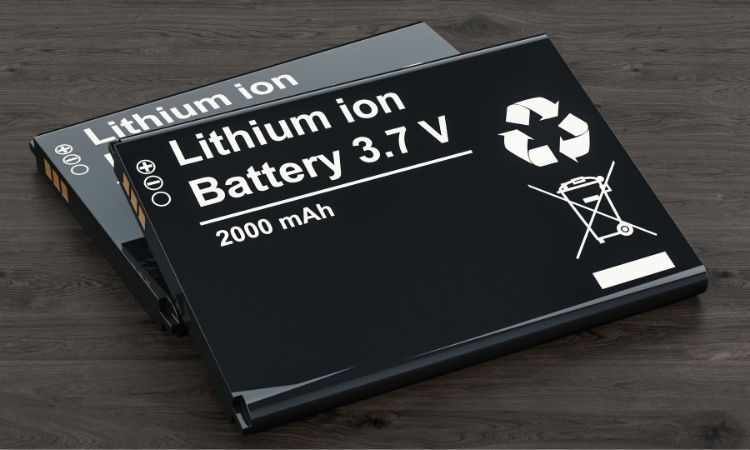
Competition from lithium-ion batteries, which dominate high-performance applications.
Fluctuating raw material prices, particularly zinc and manganese.
C. Opportunities
Increasing R&D investments in rechargeable alkaline technology.
Development of eco-friendly battery manufacturing and recycling processes.
Growth of online retail and direct-to-consumer battery sales.
Adoption of smart battery management systems (BMS) for monitoring and performance optimization.
D. Challenges
Lack of efficient recycling infrastructure in developing regions.
Market saturation in mature economies.
Need for cost-effective sustainability practices.
Porter’s Five Forces Analysis
Threat of New Entrants: Moderate – high capital investment and brand competition act as barriers.
Bargaining Power of Suppliers: Moderate – dependence on zinc and manganese affects pricing.
Bargaining Power of Buyers: High – consumers have many alternatives.
Threat of Substitutes: High – rechargeable lithium-ion and nickel-metal hydride batteries.
Industry Rivalry: Intense – dominated by established players competing on price, performance, and sustainability.
Value Chain Analysis
Raw Materials: Sourcing of zinc, manganese dioxide, and potassium hydroxide.
Manufacturing: Electrode preparation, cell assembly, and packaging.
Distribution: Retail, e-commerce, and OEM partnerships.
End Users: Consumer electronics, toys, and other battery-powered devices.
Recycling: Collection and processing of used batteries to recover materials.
Competitive Landscape
Leading players in the alkaline battery market include Duracell Inc., Energizer Holdings, Panasonic Corporation, Toshiba Corporation, GP Batteries International, and Rayovac. These companies are:
Launching longer-lasting, high-capacity batteries.
Investing in sustainable manufacturing and recycling programs.
Expanding their distribution networks across emerging markets.
Adopting smart packaging and branding to appeal to eco-conscious consumers.
Future Outlook (2025–2034)
Looking forward, the alkaline battery market is expected to evolve toward greater sustainability and innovation. With a projected valuation of USD 12.66 billion by 2034, the industry will continue to play a crucial role in powering the global consumer electronics ecosystem.
Rechargeable alkaline technologies, coupled with environmentally responsible production and recycling practices, will reshape how consumers and industries view disposable power sources. The integration of smart technologies and the circular economy model will further enhance market longevity and environmental compliance.













Write a comment ...