
Europe has long been considered the global heart of winter sports, with skiing deeply rooted in the continent’s culture, tourism sector, and sporting activities. As one of the world’s largest and most mature ski industries, Europe continues to attract millions of winter sports enthusiasts every year—from beginners to professional athletes. The market for ski equipment reflects this strong demand. In 2024, the Europe ski market size was valued at USD 680.00 Million, demonstrating steady consumer interest and a vibrant winter sports ecosystem. As the region adapts to new technological advancements, shifting consumer behaviors, and climate-driven changes, the market is set to grow at a CAGR of 3.80% from 2025 to 2034, ultimately reaching USD 987.38 Million by 2034.
This projected growth underscores the resilience of Europe’s ski culture and the opportunities emerging for brands, retailers, and manufacturers in the coming decade.
Product Landscape
Skis and Poles
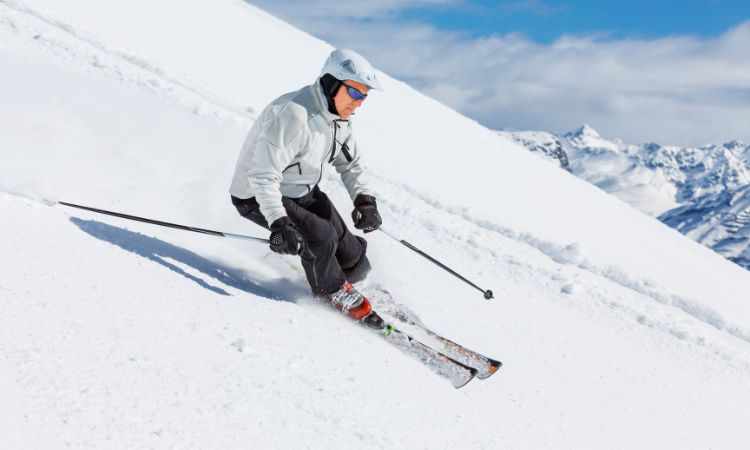
Skis and poles remain the core revenue-generating product category in the European ski market. The region's popularity for alpine skiing drives significant demand for high-performance skis across various types—alpine, touring, freestyle, and racing. Technological innovations have played a major role in shaping consumer preferences. The adoption of carbon fiber materials, advanced shaping techniques, and lightweight designs has made skis more durable, ergonomic, and responsive.
Furthermore, the rise of backcountry and ski-touring activities has led to growing interest in specialized equipment crafted for uphill mobility and downhill stability. With adventure tourism expanding in regions like the Alps and the Pyrenees, demand for versatile and high-quality skis is expected to steadily increase through 2034.
Ski Boots
Ski boots are a crucial component of the overall skiing experience, with consumers placing strong emphasis on comfort, fit, and performance. Recent years have seen a shift toward customized and heat-moldable boots, helping skiers achieve better foot support and reduced fatigue. Lightweight materials and improved insulation technologies are key trends shaping product innovation.
Professional athletes and recreational skiers alike are demanding boots that enhance control and responsiveness. As a result, brands are increasingly investing in R&D to develop boots with enhanced biomechanics, adjustable flex, and improved shock absorption. This segment is likely to grow consistently as consumers seek premium options tailored to individual skiing styles.
Ski Protective Gear and Accessories
Safety awareness has grown significantly in Europe, pushing demand for high-quality protective gear and accessories. Products such as helmets, goggles, body armor, gloves, and avalanche safety equipment have become essential purchases for both beginners and seasoned skiers.
Helmet usage, in particular, has increased due to regional safety regulations and a rise in ski schools promoting safe sports practices. Additionally, consumer interest in smart accessories—such as Bluetooth-enabled goggles or GPS trackers—has amplified demand for tech-integrated gear. As skiers become more conscious of safety and comfort, this category is poised for strong growth over the forecast period.
Distribution Channels
Offline Distribution
Offline retail remains a dominant sales channel within the European ski market. Specialty ski stores, sporting goods outlets, and hypermarkets provide hands-on fitting, personalized guidance, and expert recommendations that many consumers prefer. In European ski hubs such as France, Switzerland, and Austria, offline stores thrive during peak winter tourism seasons, serving both locals and visiting tourists. Ski rental services also benefit from strong offline presence, enabling ski resorts to attract newcomers and occasional skiers.
Online Distribution
The online channel has experienced rapid growth as consumers increasingly prioritize convenience, variety, and competitive pricing. E-commerce platforms and brand-owned websites offer extensive product catalogs, customer reviews, and hassle-free home delivery. Digital retail adoption has surged, especially among younger and tech-savvy buyers. Seasonal promotions, influencer-driven marketing, and immersive product descriptions have further boosted online sales. As digital adoption continues to rise, online channels will play a crucial role in shaping consumer purchase behavior through 2034.
Regional Analysis
Alps Region (France, Switzerland, Austria, Italy)
The Alps remain the epicenter of Europe’s ski industry, attracting millions of visitors annually. Countries in this region boast world-renowned ski resorts, extensive skiing infrastructure, and a well-developed equipment market. High levels of tourism spending, international visibility, and strong winter sports culture support steady market growth.
Nordic Countries (Norway, Sweden, Finland)
Nordic countries have a longstanding heritage in skiing, spanning both recreational and professional segments. With widespread participation in cross-country skiing and winter sports activities, equipment demand in this region remains consistently strong.
Eastern Europe (Poland, Slovakia, Czech Republic)
Eastern Europe has witnessed significant expansion in tourism-driven skiing activities over the past decade. Improvements in infrastructure, rising disposable incomes, and increased interest in winter sports are creating new opportunities for ski equipment manufacturers.
Western Europe (Germany, UK, Belgium)
While countries like Germany have their own ski regions, much of the equipment demand in Western Europe is driven by recreational travelers visiting Alpine destinations. The UK, in particular, is a major source of international ski tourists, contributing significantly to equipment sales.
Market Dynamics
SWOT Analysis
Strengths
Strong winter sports culture and well-established infrastructure
High tourism inflow into ski destinations
Increasing product innovation in ski equipment
Weaknesses
Seasonal dependency affecting market stability
High purchasing and maintenance costs for high-end equipment
Opportunities
Growth in eco-friendly and sustainable ski equipment
Rising popularity of ski-touring and adventure sports
Increasing online retail penetration
Threats
Climate change impacting snowfall and ski season length
Economic uncertainties affecting tourism spending
Porter’s Five Forces Analysis
Supplier Power: Moderate due to concentration of premium material suppliers
Buyer Power: High, driven by brand comparison and price sensitivity
Competitive Rivalry: Strong, with numerous established global and regional brands
Threat of Substitutes: Limited, though interest in alternative winter sports is growing
Threat of New Entrants: Moderate due to significant R&D and branding requirements
Key Indicators for Demand
Seasonal tourism statistics
Participation rates in winter sports across age groups
Economic conditions influencing travel and recreational spending
Key Indicators of Price
Raw material costs (carbon fiber, plastics, metals)
Technological innovations
Brand value and specialization
Seasonal variations in demand
Competitive Landscape
The European ski market is highly competitive, featuring global brands, specialized ski manufacturers, and emerging tech-integrated equipment companies. Leading players continue to focus on product innovation, sustainability, sponsorship of winter sports events, and partnerships with ski schools and resorts to strengthen brand visibility. Direct-to-consumer models are becoming increasingly popular as manufacturers seek closer engagement with customers.














Write a comment ...